 Schedule a Tour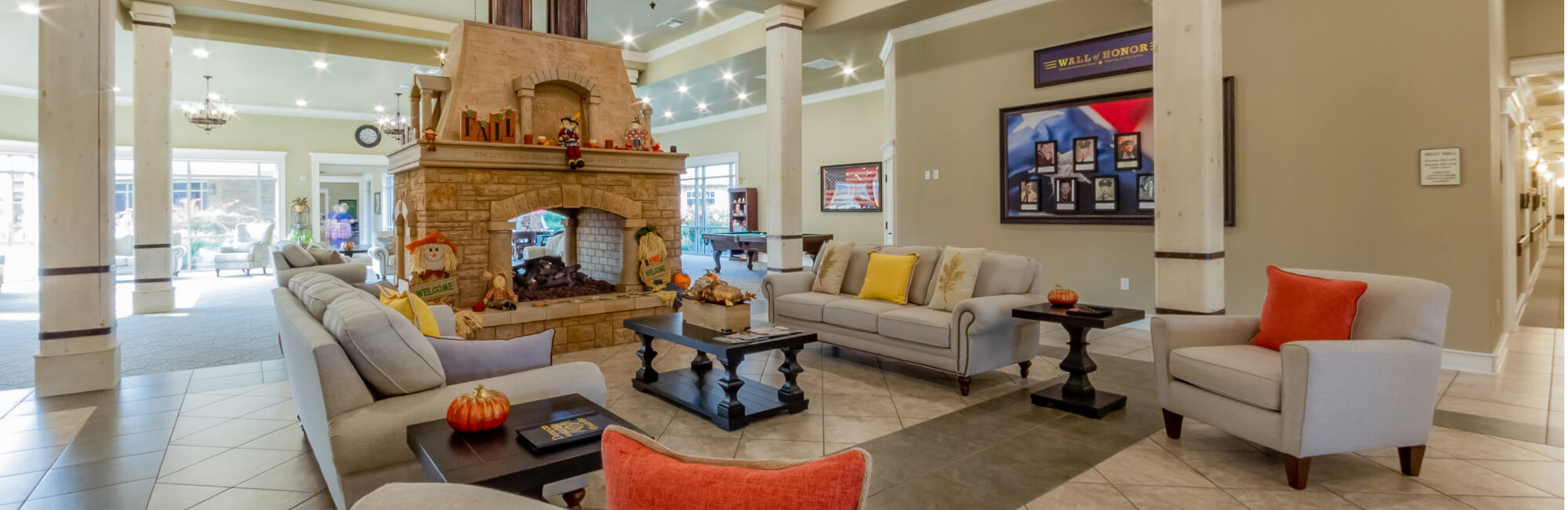
Village on the Park Bentonville
Rehabilitation vs Nursing Home in Bentonville, AR: What Happens After a Hospital Stay?
In Bentonville and across Northwest Arkansas, families tend to stay closely connected. Many adult children work nearby in corporate centers or local healthcare systems and want to remain actively involved in their parents’ well-being. When a hospital stay happens, whether due to surgery, a fall, or an unexpected illness, the next phase of care becomes a shared family conversation.
After discharge, rehabilitation or a nursing home is often discussed. Families quickly realize they are being asked to make decisions about care levels, yet the terminology can feel confusing. Rehabilitation and nursing homes are frequently mentioned in the same conversations, even though they serve very different purposes and timelines.
It is completely natural to feel uncertain about what each option truly involves, or what should happen once rehabilitation ends. The good news is that understanding the difference brings clarity and confidence.
In this guide, we will explain:
- What post-acute rehabilitation is designed to accomplish
- What nursing homes (skilled nursing facilities) provide
- Key differences in care level, length of stay, and goals
- What typically happens after rehabilitation ends
- When assisted living may be the right next step
How Are Rehabilitation and Nursing Homes Different?
Rehabilitation (post-acute care) focuses on short-term recovery after illness, injury, or surgery. Nursing homes provide long-term, 24/7 medical care for individuals with complex or ongoing health needs. The key difference is whether the goal is recovery or continuous medical management.
Families in Bentonville often encounter both options during hospital discharge planning. Choosing the appropriate setting depends on expected recovery outcomes, medical stability, and whether long-term medical supervision is required.
When families understand these distinctions early, they can plan thoughtfully rather than feel rushed by timelines.
What Does Post-Acute Rehabilitation Typically Involve?
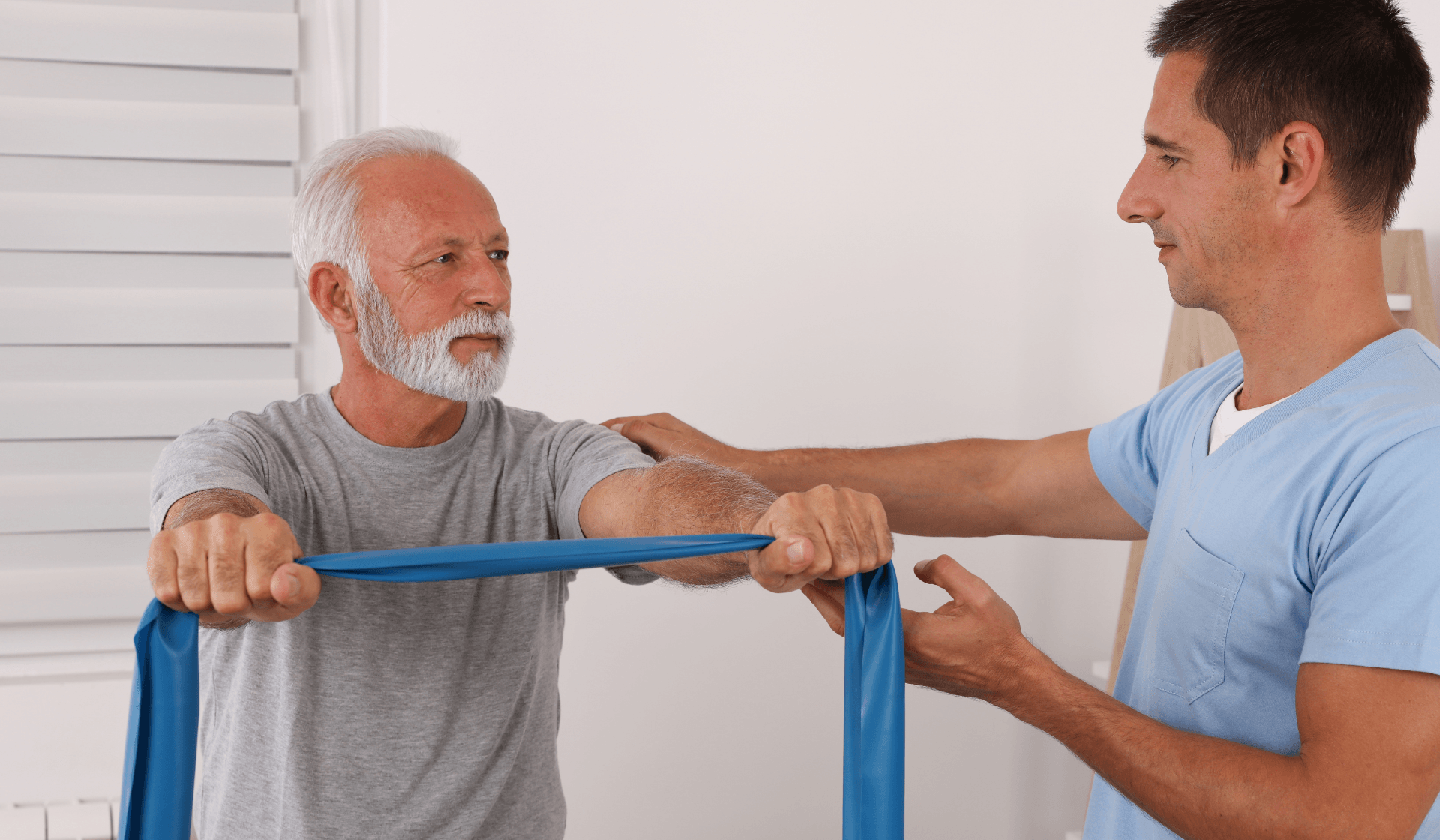
Post-acute rehabilitation provides temporary therapy and nursing support to help individuals regain strength, mobility, and independence after a hospital stay.
Rehabilitation is structured around measurable goals. Therapy sessions are commonly scheduled several times each week and may include physical, occupational, or speech therapy. Progress is monitored closely, and care plans adjust as improvement occurs.
The intention is clear: help someone recover enough to safely return home or transition to a lower level of care.
Rehabilitation is not intended for long-term residence. It is a focused period of recovery designed to rebuild function and confidence.
When Is Rehabilitation Commonly Recommended?
Rehabilitation is often recommended for:
- Recovery after surgery or extended hospitalization
- Regaining mobility following a fall or injury
- Recovery after stroke or serious illness
- Short-term therapy when improvement is expected
The emphasis remains on functional recovery. Once therapy goals are met, families begin evaluating what level of support is appropriate moving forward.
What Is a Nursing Home (Skilled Nursing Facility)?
A nursing home, also known as a skilled nursing facility, provides continuous licensed nursing care and medical supervision for individuals who require ongoing treatment and cannot safely live independently.
Nursing homes are appropriate when medical needs are complex, chronic, or unstable. Care is centered on clinical oversight rather than daily lifestyle or social engagement. Length of stay may be extended or permanent, depending on the individual’s condition.
In Northwest Arkansas, nursing homes are often recommended when recovery has plateaued or when medical needs remain intensive and require constant supervision.
Who Typically Needs Long-Term Skilled Nursing Care?
Long-term skilled nursing care is generally appropriate for:
- Individuals with advanced or unstable medical conditions
- Those requiring frequent nursing interventions
- People unable to safely perform daily activities
- Individuals who need constant medical monitoring
This level of care focuses primarily on managing health conditions rather than supporting day-to-day living routines.
Rehabilitation vs Nursing Home Care: A Side-by-Side Comparison
For families comparing options, seeing the differences clearly can be helpful.
| Category | Rehabilitation (Post-Acute Care) | Nursing Home (Skilled Nursing) |
| Primary Purpose | Short-term recovery | Long-term medical care |
| Length of Stay | Temporary | Often long-term |
| Medical Intensity | Moderate, recovery-focused | High, ongoing |
| Therapy Services | Frequent and goal-oriented | Limited or maintenance |
| Living Environment | Clinical, transitional | Medical-focused |
| Discharge Goal | Return home or lower care | Continued medical support |
| Best Fit For | Patients expected to improve | Patients with chronic needs |
Many individuals begin in rehabilitation and later transition to a lower level of care once therapy goals are achieved.
What Happens After Rehabilitation Ends?
When rehabilitation concludes, families reassess carefully. The central questions often include whether returning home is safe, whether skilled nursing care is still necessary, or whether assisted living provides the right balance of support and independence.
Assisted living is often considered when someone is medically stable but continues to benefit from daily assistance. It represents a step down from intensive medical care while still offering structured support.
How Assisted Living Supports Life After Rehabilitation in Bentonville
Village on the Park Bentonville does not provide rehabilitation or skilled nursing services. However, assisted living can be an excellent next step once intensive medical care is no longer required.
Assisted living supports individuals who are medically stable and need help with daily activities such as bathing, dressing, and medication reminders. That consistency helps reduce fall risk and supports safe routines.
Equally important is emotional recovery. After time spent in hospitals or transitional settings, many individuals appreciate returning to a vibrant, engaging environment. Village on the Park Bentonville offers restaurant-style dining with chef-inspired meals, daily fitness classes, wellness programs, and thoughtfully planned activities and programs that encourage connection.
Residents enjoy amenities such as walking trails, a private pond, a clubhouse, an art studio, and inviting common spaces that foster a strong sense of belonging. Team members build personal relationships with residents, learning their preferences, routines, and interests. Families are kept informed with proactive communication and compassionate guidance.
If cognitive needs change over time, Memory Care, is available within the same community, allowing residents to remain in familiar surroundings as support evolves.
To learn more about assisted living in Bentonville, visit https://www.villageontheparkbentonville.com/.
How Do Families in Bentonville Know When Assisted Living Is the Right Next Step?
Several indicators may suggest assisted living is appropriate:
- Medical stability following rehabilitation
- Completion of therapy goals
- Ongoing difficulty managing daily tasks safely
- Reduced stamina or increased fall risk
- A desire for a residential environment that encourages connection
Thinking in terms of right-sized care can help families feel confident that their loved one has enough support without unnecessary medical intensity.
Planning for Healthy Aging in Bentonville, AR
Rehabilitation supports recovery while nursing homes provide continuous medical management. Assisted living supports daily life once recovery stabilizes.
Village on the Park Bentonville serves as a trusted local resource for families navigating these transitions. With a close-knit, neighborly atmosphere and strong partnerships with local healthcare providers, assisted living options in the Bentonville community offers coordinated care and thoughtful guidance through every step.
Families looking for a supportive next phase after rehabilitation can schedule a tour or speak with a team member by calling (479) 364-5340.
Frequently Asked Questions
Can someone transition directly from rehabilitation into assisted living?
Yes. Many individuals move into assisted living once they are medically stable and no longer require intensive therapy or skilled nursing supervision.
How does assisted living help residents regain independence after rehab?
Assisted living provides daily support, structured routines, and encouragement in a residential environment. Residents receive assistance when needed while maintaining as much independence as possible.
What if a loved one’s needs increase after moving into assisted living?
Care needs can change over time. Village on the Park Bentonville offers Memory Care for residents who require additional cognitive support, allowing them to remain in a familiar and supportive community.
Helpful Links for Senior Living
- Assisted Living in Bentonville, AR
- Memory Care in Bentonville, AR
- Independent Living in Bentonville, AR
Related Reading
- Remote Patient Monitoring Available at Assisted Living Community in Bentonville, AR
- Memory Care vs Assisted Living: Care, Safety & Daily Life
- How Much Does Assisted Living Cost at Village on the Park Bentonville in Bentonville, AR?
Village on the Park Bentonville is proudly part of The Aspenwood Company’s Senior Living family. Our senior living community in Bentonville, AR offers Independent Living, Assisted Living, and Memory Care designed to support independence, comfort, and meaningful connection. With beautifully appointed residences, engaging activities, and personalized services, we reflect The Aspenwood Company’s commitment to helping every resident Live Life Well®. We are proud that the following communities are also part of The Aspenwood Company’s senior living family: Village on the Park Stonebridge Ranch, Village on the Park Plano, The Doliver of Tanglewood, The Village of the Heights, Village on the Park Denton, The Village of Meyerland, Village on the Park Bentonville, Wood Glen Court, Spring Creek Village, Village on the Park Rogers, The Village at the Triangle, Village on the Park Onion Creek, Heartis Mid Cities, and Village on the Park McKinney. No matter which community you choose, our shared goal is to help each resident feel safe, valued, and at home.